Inland Waters
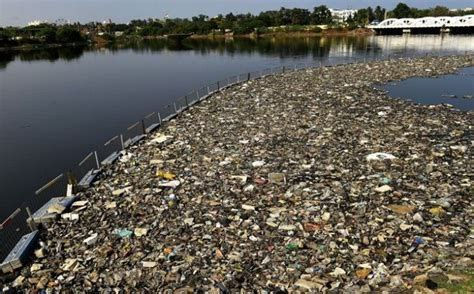
There is so much pollution in the form of toxins, plastics, and refuse in our fresh water worldwide. We will need to organize and find upcoming technologies to combat this for the health of all Earth's inhabitants.
Overview of Water Pollution
Water pollution is a critical issue affecting ecosystems and human health globally. The presence of toxins, plastics, and refuse in freshwater sources poses significant risks to all living organisms.
Types of Pollution
Toxins: Chemical pollutants from industrial processes, agriculture, and urban runoff.
Plastics: Microplastics and larger plastic debris that harm aquatic life and enter the food chain.
Refuse: General waste that contaminates water bodies, including food waste and other non-biodegradable materials.
Upcoming Technologies to Combat Water Pollution
Bioremediation: The use of microorganisms to break down pollutants in water.
Advanced Filtration Systems: Technologies like membrane filtration and nanotechnology that can remove contaminants effectively.
Smart Sensors: Devices that monitor water quality in real-time, allowing for quick responses to pollution events.
Plastic Waste Management Innovations: New methods for recycling and repurposing plastics found in water bodies.
Eco-Friendly Materials: Development of biodegradable alternatives to conventional plastics.
Importance of Action
Taking steps to address water pollution is vital for the health of ecosystems, wildlife, and human populations. By leveraging innovative technologies and promoting sustainable practices, we can work towards cleaner water for all Earth's inhabitants.
Conclusion
The fight against water pollution requires a collaborative effort among governments, organizations, and individuals. Investing in and implementing new technologies will be crucial for restoring and preserving our freshwater resources.
Amandla Ngezinombolo
Programs
Locations
Volunteers